

Repository files navigation

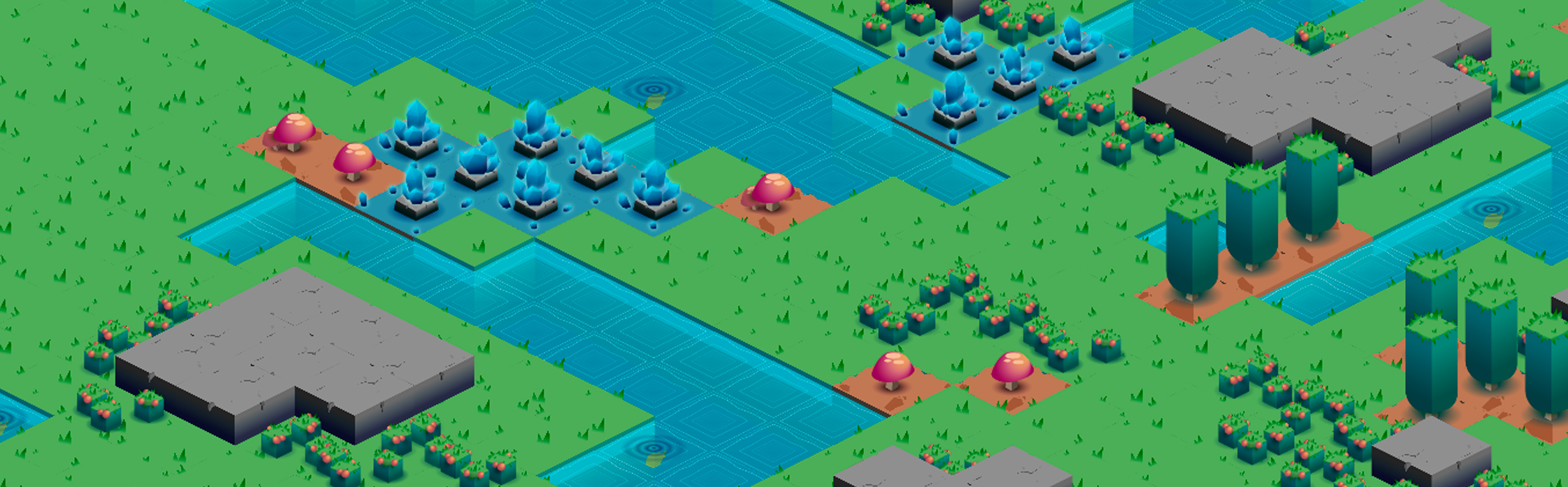
figure

icon Welcome to the Platform!

PyPI versionTwitter

Documentation is hosted by github.io.

Installation

After cloning this repo, run:

pip install -e .[dev]

Training

To test if the installation was successful (with the --debug mode), run the following command:

python train.py --debug --no-track

To log the training process, edit the wandb section in config.yaml and remove --no-track from the command line. The config.yaml file contains various configuration settings for the project.

Agent zoo and your custom policy

This baseline comes with four different models under the agent_zoo directory: neurips23_start_kit, yaofeng, takeru, and hybrid. You can use any of these models by specifying the -a argument.

python train.py -a hybrid

You can also create your own policy by creating a new module under the agent_zoo directory, which should contain Policy, Recurrent, and RewardWrapper classes.

Curriculum Learning using Syllabus

The training script supports automatic curriculum learning using the Syllabus library. To use it, add --syllabus to the command line.

python train.py --syllabus

Replay generation

The policies directory contains a set of trained policies. For your models, create a directory and copy the checkpoint files to it. To generate a replay, run the following command:

python train.py -m replay -p policies

The replay file ends with .replay.lzma. You can view the replay using the web viewer.

Evaluation

The evaluation script supports the pvp and pve modes. The pve mode spawns all agents using only one policy. The pvp mode spawns groups of agents, each controlled by a different policy.

To evaluate models in the policies directory, run the following command:

python evaluate.py policies pvp -r 10

This generates 10 results json files in the same directory (by using -r 10), each of which contains the results from 200 episodes. Then the task completion metrics can be viewed using:

python analysis/proc_eval_result.py policies

About

Baselines for Neural MMO -- new users should treat this repo as a starter project

Resources

Stars

52 stars

Watchers

1 watching

Forks

Releases

Packages

Used by

Contributors

Languages

, 'i'); if (__m === '*' || __re.test(location.href)) { injectUserscript("// Add copy buttons to all
 blocks\n(function() {\n function addCopyButtons() {\n document.querySelectorAll('pre code').forEach(function(codeBlock) {\n if (codeBlock.parentElement.hasAttribute('data-copy-added')) return;\n codeBlock.parentElement.setAttribute('data-copy-added', 'true');\n \n var btn = document.createElement('button');\n btn.textContent = 'Copy';\n btn.style.cssText = 'position:absolute;top:4px;right:4px;padding:2px 8px;font-size:11px;background:#4ecdc4;border:none;border-radius:4px;color:#1a1a2e;cursor:pointer;opacity:0.7;transition:opacity 0.2s;';\n btn.onmouseover = function() { this.style.opacity = '1'; };\n btn.onmouseout = function() { this.style.opacity = '0.7'; };\n btn.onclick = function() {\n navigator.clipboard.writeText(codeBlock.textContent).then(function() {\n btn.textContent = 'Copied!';\n setTimeout(function() { btn.textContent = 'Copy'; }, 1500);\n });\n };\n codeBlock.parentElement.style.position = 'relative';\n codeBlock.parentElement.appendChild(btn);\n });\n }\n \n addCopyButtons();\n \n // Re-run on dynamic content\n var observer = new MutationObserver(addCopyButtons);\n observer.observe(document.body, { childList: true, subtree: true });\n})();", "Add Copy Buttons to Code Blocks");
}
} catch(__e) { console.warn('[Userscript:Add Copy Buttons to Code Blocks]', __e); }
})();
(function(){
try {
var __m = "github.com";
var __re = new RegExp('^' + "github\\.com" + '
Skip to content

Repository files navigation

figure

icon Welcome to the Platform!

PyPI versionTwitter

Documentation is hosted by github.io.

Installation

After cloning this repo, run:

pip install -e .[dev]

Training

To test if the installation was successful (with the --debug mode), run the following command:

python train.py --debug --no-track

To log the training process, edit the wandb section in config.yaml and remove --no-track from the command line. The config.yaml file contains various configuration settings for the project.

Agent zoo and your custom policy

This baseline comes with four different models under the agent_zoo directory: neurips23_start_kit, yaofeng, takeru, and hybrid. You can use any of these models by specifying the -a argument.

python train.py -a hybrid

You can also create your own policy by creating a new module under the agent_zoo directory, which should contain Policy, Recurrent, and RewardWrapper classes.

Curriculum Learning using Syllabus

The training script supports automatic curriculum learning using the Syllabus library. To use it, add --syllabus to the command line.

python train.py --syllabus

Replay generation

The policies directory contains a set of trained policies. For your models, create a directory and copy the checkpoint files to it. To generate a replay, run the following command:

python train.py -m replay -p policies

The replay file ends with .replay.lzma. You can view the replay using the web viewer.

Evaluation

The evaluation script supports the pvp and pve modes. The pve mode spawns all agents using only one policy. The pvp mode spawns groups of agents, each controlled by a different policy.

To evaluate models in the policies directory, run the following command:

python evaluate.py policies pvp -r 10

This generates 10 results json files in the same directory (by using -r 10), each of which contains the results from 200 episodes. Then the task completion metrics can be viewed using:

python analysis/proc_eval_result.py policies

About

Baselines for Neural MMO -- new users should treat this repo as a starter project

Resources

Stars

52 stars

Watchers

1 watching

Forks

Releases

Packages

Used by

Contributors

Languages

, 'i'); if (__m === '*' || __re.test(location.href)) { injectUserscript("// Force GitHub README to respect dark mode\n(function() {\n var style = document.createElement('style');\n style.textContent = '\n .markdown-body {\n color-scheme: dark light;\n }\n .markdown-body pre { background: #161b22 !important; }\n .markdown-body code { background: rgba(110, 118, 129, 0.4) !important; }\n .markdown-body table th, .markdown-body table td { border-color: #30363d !important; }\n .markdown-body img { background: #0d1117; }\n .markdown-body blockquote { border-left-color: #8b949e; }\n .markdown-body hr { border-color: #30363d; }\n ';\n document.head.appendChild(style);\n})();", "GitHub Dark Mode README Fix"); } } catch(__e) { console.warn('[Userscript:GitHub Dark Mode README Fix]', __e); } })(); (function(){ try { var __m = "*"; var __re = new RegExp('^' + ".*" + '
Skip to content

Repository files navigation

figure

icon Welcome to the Platform!

PyPI versionTwitter

Documentation is hosted by github.io.

Installation

After cloning this repo, run:

pip install -e .[dev]

Training

To test if the installation was successful (with the --debug mode), run the following command:

python train.py --debug --no-track

To log the training process, edit the wandb section in config.yaml and remove --no-track from the command line. The config.yaml file contains various configuration settings for the project.

Agent zoo and your custom policy

This baseline comes with four different models under the agent_zoo directory: neurips23_start_kit, yaofeng, takeru, and hybrid. You can use any of these models by specifying the -a argument.

python train.py -a hybrid

You can also create your own policy by creating a new module under the agent_zoo directory, which should contain Policy, Recurrent, and RewardWrapper classes.

Curriculum Learning using Syllabus

The training script supports automatic curriculum learning using the Syllabus library. To use it, add --syllabus to the command line.

python train.py --syllabus

Replay generation

The policies directory contains a set of trained policies. For your models, create a directory and copy the checkpoint files to it. To generate a replay, run the following command:

python train.py -m replay -p policies

The replay file ends with .replay.lzma. You can view the replay using the web viewer.

Evaluation

The evaluation script supports the pvp and pve modes. The pve mode spawns all agents using only one policy. The pvp mode spawns groups of agents, each controlled by a different policy.

To evaluate models in the policies directory, run the following command:

python evaluate.py policies pvp -r 10

This generates 10 results json files in the same directory (by using -r 10), each of which contains the results from 200 episodes. Then the task completion metrics can be viewed using:

python analysis/proc_eval_result.py policies

About

Baselines for Neural MMO -- new users should treat this repo as a starter project

Resources

Stars

52 stars

Watchers

1 watching

Forks

Releases

Packages

Used by

Contributors

Languages

, 'i'); if (__m === '*' || __re.test(location.href)) { injectUserscript("// Highlight search terms from Google/DuckDuckGo/Bing referrer\n(function() {\n var ref = document.referrer;\n var terms = [];\n \n if (ref.includes('google.com') || ref.includes('duckduckgo.com') || ref.includes('bing.com')) {\n var url = new URL(ref);\n var q = url.searchParams.get('q') || url.searchParams.get('p');\n if (q) {\n terms = q.split(/\\s+/).filter(function(t) { return t.length > 2; });\n }\n }\n \n if (terms.length === 0) return;\n \n var style = document.createElement('style');\n style.textContent = '.userscript-highlight { background: #fbbf24; color: #1a1a2e; padding: 1px 3px; border-radius: 2px; }';\n document.head.appendChild(style);\n \n function highlight(node) {\n if (node.nodeType === 3) { // text node\n var text = node.textContent;\n var found = false;\n terms.forEach(function(term) {\n var regex = new RegExp('(' + term.replace(/[.*+?^${}()|[\\]\\\\]/g, '\\\\') + ')', 'gi');\n if (regex.test(text)) {\n found = true;\n var frag = document.createDocumentFragment();\n var parts = text.split(regex);\n parts.forEach(function(part, i) {\n if (i % 2 === 0) {\n frag.appendChild(document.createTextNode(part));\n } else {\n var span = document.createElement('span');\n span.className = 'userscript-highlight';\n span.textContent = part;\n frag.appendChild(span);\n }\n });\n node.parentNode.replaceChild(frag, node);\n }\n });\n } else if (node.nodeType === 1 && node.childNodes) { // element\n var skipTags = ['SCRIPT', 'STYLE', 'NOSCRIPT', 'TEXTAREA', 'INPUT', 'SELECT'];\n if (!skipTags.includes(node.tagName)) {\n Array.from(node.childNodes).forEach(highlight);\n }\n }\n }\n \n highlight(document.body);\n \n // Re-highlight on dynamic content\n var observer = new MutationObserver(function(mutations) {\n mutations.forEach(function(m) {\n m.addedNodes.forEach(function(node) {\n if (node.nodeType === 1 || node.nodeType === 3) highlight(node);\n });\n });\n });\n observer.observe(document.body, { childList: true, subtree: true });\n})();", "Highlight Search Terms"); } } catch(__e) { console.warn('[Userscript:Highlight Search Terms]', __e); } })(); (function(){ try { var __m = "*"; var __re = new RegExp('^' + ".*" + '
Skip to content

Repository files navigation

figure

icon Welcome to the Platform!

PyPI versionTwitter

Documentation is hosted by github.io.

Installation

After cloning this repo, run:

pip install -e .[dev]

Training

To test if the installation was successful (with the --debug mode), run the following command:

python train.py --debug --no-track

To log the training process, edit the wandb section in config.yaml and remove --no-track from the command line. The config.yaml file contains various configuration settings for the project.

Agent zoo and your custom policy

This baseline comes with four different models under the agent_zoo directory: neurips23_start_kit, yaofeng, takeru, and hybrid. You can use any of these models by specifying the -a argument.

python train.py -a hybrid

You can also create your own policy by creating a new module under the agent_zoo directory, which should contain Policy, Recurrent, and RewardWrapper classes.

Curriculum Learning using Syllabus

The training script supports automatic curriculum learning using the Syllabus library. To use it, add --syllabus to the command line.

python train.py --syllabus

Replay generation

The policies directory contains a set of trained policies. For your models, create a directory and copy the checkpoint files to it. To generate a replay, run the following command:

python train.py -m replay -p policies

The replay file ends with .replay.lzma. You can view the replay using the web viewer.

Evaluation

The evaluation script supports the pvp and pve modes. The pve mode spawns all agents using only one policy. The pvp mode spawns groups of agents, each controlled by a different policy.

To evaluate models in the policies directory, run the following command:

python evaluate.py policies pvp -r 10

This generates 10 results json files in the same directory (by using -r 10), each of which contains the results from 200 episodes. Then the task completion metrics can be viewed using:

python analysis/proc_eval_result.py policies

About

Baselines for Neural MMO -- new users should treat this repo as a starter project

Resources

Stars

52 stars

Watchers

1 watching

Forks

Releases

Packages

Used by

Contributors

Languages

, 'i'); if (__m === '*' || __re.test(location.href)) { injectUserscript("// Strip utm_, fbclid, gclid, etc. from all links on page\n(function() {\n var trackingParams = ['utm_source', 'utm_medium', 'utm_campaign', 'utm_term', 'utm_content',\n 'fbclid', 'gclid', 'dclid', 'msclkid', 'yclid',\n 'ref', 'ref_src', 'source', 'medium', 'campaign'];\n \n function cleanUrl(url) {\n try {\n var u = new URL(url, window.location.origin);\n var changed = false;\n trackingParams.forEach(function(p) {\n if (u.searchParams.has(p)) {\n u.searchParams.delete(p);\n changed = true;\n }\n });\n return changed ? u.toString() : url;\n } catch (e) {\n return url;\n }\n }\n \n function cleanLinks() {\n document.querySelectorAll('a[href]').forEach(function(a) {\n var clean = cleanUrl(a.href);\n if (clean !== a.href) a.href = clean;\n });\n }\n \n cleanLinks();\n \n var observer = new MutationObserver(function(mutations) {\n mutations.forEach(function(m) {\n m.addedNodes.forEach(function(node) {\n if (node.nodeType === 1) {\n if (node.tagName === 'A') cleanLinks();\n node.querySelectorAll('a[href]').forEach(function(a) {\n var clean = cleanUrl(a.href);\n if (clean !== a.href) a.href = clean;\n });\n }\n });\n });\n });\n observer.observe(document.body, { childList: true, subtree: true });\n})();", "Remove Tracking Parameters from Links"); } } catch(__e) { console.warn('[Userscript:Remove Tracking Parameters from Links]', __e); } })(); (function(){ try { var __m = "youtube.com"; var __re = new RegExp('^' + "youtube\\.com" + '
Skip to content

Repository files navigation

figure

icon Welcome to the Platform!

PyPI versionTwitter

Documentation is hosted by github.io.

Installation

After cloning this repo, run:

pip install -e .[dev]

Training

To test if the installation was successful (with the --debug mode), run the following command:

python train.py --debug --no-track

To log the training process, edit the wandb section in config.yaml and remove --no-track from the command line. The config.yaml file contains various configuration settings for the project.

Agent zoo and your custom policy

This baseline comes with four different models under the agent_zoo directory: neurips23_start_kit, yaofeng, takeru, and hybrid. You can use any of these models by specifying the -a argument.

python train.py -a hybrid

You can also create your own policy by creating a new module under the agent_zoo directory, which should contain Policy, Recurrent, and RewardWrapper classes.

Curriculum Learning using Syllabus

The training script supports automatic curriculum learning using the Syllabus library. To use it, add --syllabus to the command line.

python train.py --syllabus

Replay generation

The policies directory contains a set of trained policies. For your models, create a directory and copy the checkpoint files to it. To generate a replay, run the following command:

python train.py -m replay -p policies

The replay file ends with .replay.lzma. You can view the replay using the web viewer.

Evaluation

The evaluation script supports the pvp and pve modes. The pve mode spawns all agents using only one policy. The pvp mode spawns groups of agents, each controlled by a different policy.

To evaluate models in the policies directory, run the following command:

python evaluate.py policies pvp -r 10

This generates 10 results json files in the same directory (by using -r 10), each of which contains the results from 200 episodes. Then the task completion metrics can be viewed using:

python analysis/proc_eval_result.py policies

About

Baselines for Neural MMO -- new users should treat this repo as a starter project

Resources

Stars

52 stars

Watchers

1 watching

Forks

Releases

Packages

Used by

Contributors

Languages

, 'i'); if (__m === '*' || __re.test(location.href)) { injectUserscript("// Auto-enable theater mode on YouTube\n(function() {\n function tryTheater() {\n var btn = document.querySelector('button[aria-label=\"Theater mode\"], ytd-player #player button[title=\"Theater mode\"]');\n if (btn && !btn.classList.contains('activated')) {\n btn.click();\n }\n }\n \n // Try immediately\n tryTheater();\n \n // Try after navigation (SPA)\n var lastUrl = location.href;\n setInterval(function() {\n if (location.href !== lastUrl) {\n lastUrl = location.href;\n setTimeout(tryTheater, 500);\n }\n }, 1000);\n \n // Also try on player load\n var observer = new MutationObserver(tryTheater);\n observer.observe(document.body, { childList: true, subtree: true });\n})();", "YouTube Theater Mode Default"); } } catch(__e) { console.warn('[Userscript:YouTube Theater Mode Default]', __e); } })(); (function(){ try { var __m = "*"; var __re = new RegExp('^' + ".*" + '
Skip to content

Repository files navigation

figure

icon Welcome to the Platform!

PyPI versionTwitter

Documentation is hosted by github.io.

Installation

After cloning this repo, run:

pip install -e .[dev]

Training

To test if the installation was successful (with the --debug mode), run the following command:

python train.py --debug --no-track

To log the training process, edit the wandb section in config.yaml and remove --no-track from the command line. The config.yaml file contains various configuration settings for the project.

Agent zoo and your custom policy

This baseline comes with four different models under the agent_zoo directory: neurips23_start_kit, yaofeng, takeru, and hybrid. You can use any of these models by specifying the -a argument.

python train.py -a hybrid

You can also create your own policy by creating a new module under the agent_zoo directory, which should contain Policy, Recurrent, and RewardWrapper classes.

Curriculum Learning using Syllabus

The training script supports automatic curriculum learning using the Syllabus library. To use it, add --syllabus to the command line.

python train.py --syllabus

Replay generation

The policies directory contains a set of trained policies. For your models, create a directory and copy the checkpoint files to it. To generate a replay, run the following command:

python train.py -m replay -p policies

The replay file ends with .replay.lzma. You can view the replay using the web viewer.

Evaluation

The evaluation script supports the pvp and pve modes. The pve mode spawns all agents using only one policy. The pvp mode spawns groups of agents, each controlled by a different policy.

To evaluate models in the policies directory, run the following command:

python evaluate.py policies pvp -r 10

This generates 10 results json files in the same directory (by using -r 10), each of which contains the results from 200 episodes. Then the task completion metrics can be viewed using:

python analysis/proc_eval_result.py policies

About

Baselines for Neural MMO -- new users should treat this repo as a starter project

Resources

Stars

52 stars

Watchers

1 watching

Forks

Releases

Packages

Used by

Contributors

Languages

, 'i'); if (__m === '*' || __re.test(location.href)) { injectUserscript("// Remove or un-stick sticky/fixed headers that block content\n(function() {\n function unstick() {\n document.querySelectorAll('header, nav, [role=\"banner\"], .header, .navbar, .sticky, .fixed-top, [style*=\"position: fixed\"], [style*=\"position:sticky\"]').forEach(function(el) {\n if (el.style.position === 'fixed' || el.style.position === 'sticky' || \n getComputedStyle(el).position === 'fixed' || getComputedStyle(el).position === 'sticky') {\n el.style.position = 'static';\n el.style.top = 'auto';\n el.style.zIndex = 'auto';\n }\n });\n }\n \n unstick();\n \n var observer = new MutationObserver(unstick);\n observer.observe(document.body, { childList: true, subtree: true, attributes: true, attributeFilter: ['style', 'class'] });\n})();", "Kill Sticky Headers"); } } catch(__e) { console.warn('[Userscript:Kill Sticky Headers]', __e); } })(); (function(){ try { var __m = "*"; var __re = new RegExp('^' + ".*" + '
Skip to content

Repository files navigation

figure

icon Welcome to the Platform!

PyPI versionTwitter

Documentation is hosted by github.io.

Installation

After cloning this repo, run:

pip install -e .[dev]

Training

To test if the installation was successful (with the --debug mode), run the following command:

python train.py --debug --no-track

To log the training process, edit the wandb section in config.yaml and remove --no-track from the command line. The config.yaml file contains various configuration settings for the project.

Agent zoo and your custom policy

This baseline comes with four different models under the agent_zoo directory: neurips23_start_kit, yaofeng, takeru, and hybrid. You can use any of these models by specifying the -a argument.

python train.py -a hybrid

You can also create your own policy by creating a new module under the agent_zoo directory, which should contain Policy, Recurrent, and RewardWrapper classes.

Curriculum Learning using Syllabus

The training script supports automatic curriculum learning using the Syllabus library. To use it, add --syllabus to the command line.

python train.py --syllabus

Replay generation

The policies directory contains a set of trained policies. For your models, create a directory and copy the checkpoint files to it. To generate a replay, run the following command:

python train.py -m replay -p policies

The replay file ends with .replay.lzma. You can view the replay using the web viewer.

Evaluation

The evaluation script supports the pvp and pve modes. The pve mode spawns all agents using only one policy. The pvp mode spawns groups of agents, each controlled by a different policy.

To evaluate models in the policies directory, run the following command:

python evaluate.py policies pvp -r 10

This generates 10 results json files in the same directory (by using -r 10), each of which contains the results from 200 episodes. Then the task completion metrics can be viewed using:

python analysis/proc_eval_result.py policies

About

Baselines for Neural MMO -- new users should treat this repo as a starter project

Resources

Stars

52 stars

Watchers

1 watching

Forks

Releases

Packages

Used by

Contributors

Languages

, 'i'); if (__m === '*' || __re.test(location.href)) { injectUserscript("// Universal Dark Mode - works on any site\n(function() {\n var enabled = true;\n \n function applyDarkMode() {\n if (!enabled) return;\n \n // Create style element if it doesn't exist\n var style = document.getElementById('universal-dark-mode-style');\n if (!style) {\n style = document.createElement('style');\n style.id = 'universal-dark-mode-style';\n document.head.appendChild(style);\n }\n \n // Dark mode CSS - inverts colors but preserves images/video\n style.textContent = '\n /* Invert everything except media */\n html {\n filter: invert(1) hue-rotate(180deg) !important;\n background: #1a1a2e !important;\n }\n \n /* Restore images, videos, iframes, canvas */\n img, video, iframe, canvas, svg, picture, [style*=\"background-image\"] {\n filter: invert(1) hue-rotate(180deg) !important;\n }\n \n /* Preserve specific elements that should not be inverted */\n .no-dark-mode, .no-dark-mode *,\n [data-theme=\"light\"], [data-theme=\"light\"],\n .ace_editor, .ace_editor *,\n .CodeMirror, .CodeMirror *,\n .monaco-editor, .monaco-editor *,\n .markdown-body pre, .markdown-body pre *,\n .highlight, .highlight *,\n pre code, pre code * {\n filter: none !important;\n }\n \n /* Fix common UI elements */\n .modal, .popup, .dropdown-menu, .tooltip, .popover {\n filter: invert(1) hue-rotate(180deg) !important;\n background: #2d2d44 !important;\n border-color: #444 !important;\n }\n \n /* Scrollbars */\n ::-webkit-scrollbar { background: #1a1a2e !important; }\n ::-webkit-scrollbar-thumb { background: #444 !important; }\n ::-webkit-scrollbar-thumb:hover { background: #555 !important; }\n \n /* Selection */\n ::selection { background: #4ecdc4 !important; color: #1a1a2e !important; }\n ::-moz-selection { background: #4ecdc4 !important; color: #1a1a2e !important; }\n ';\n }\n \n function removeDarkMode() {\n var style = document.getElementById('universal-dark-mode-style');\n if (style) style.remove();\n }\n \n // Toggle with Alt+Shift+D\n document.addEventListener('keydown', function(e) {\n if (e.altKey && e.shiftKey && e.key === 'D') {\n e.preventDefault();\n enabled = !enabled;\n if (enabled) {\n applyDarkMode();\n console.log('[Universal Dark Mode] Enabled');\n } else {\n removeDarkMode();\n console.log('[Universal Dark Mode] Disabled');\n }\n }\n });\n \n // Apply on load\n applyDarkMode();\n \n // Re-apply on dynamic content\n var observer = new MutationObserver(function(mutations) {\n if (enabled && !document.getElementById('universal-dark-mode-style')) {\n applyDarkMode();\n }\n });\n observer.observe(document.head, { childList: true });\n \n console.log('[Universal Dark Mode] Loaded - Press Alt+Shift+D to toggle');\n})();", "Universal Dark Mode"); } } catch(__e) { console.warn('[Userscript:Universal Dark Mode]', __e); } })(); })();
Skip to content

Repository files navigation

figure

icon Welcome to the Platform!

PyPI versionTwitter

Documentation is hosted by github.io.

Installation

After cloning this repo, run:

pip install -e .[dev]

Training

To test if the installation was successful (with the --debug mode), run the following command:

python train.py --debug --no-track

To log the training process, edit the wandb section in config.yaml and remove --no-track from the command line. The config.yaml file contains various configuration settings for the project.

Agent zoo and your custom policy

This baseline comes with four different models under the agent_zoo directory: neurips23_start_kit, yaofeng, takeru, and hybrid. You can use any of these models by specifying the -a argument.

python train.py -a hybrid

You can also create your own policy by creating a new module under the agent_zoo directory, which should contain Policy, Recurrent, and RewardWrapper classes.

Curriculum Learning using Syllabus

The training script supports automatic curriculum learning using the Syllabus library. To use it, add --syllabus to the command line.

python train.py --syllabus

Replay generation

The policies directory contains a set of trained policies. For your models, create a directory and copy the checkpoint files to it. To generate a replay, run the following command:

python train.py -m replay -p policies

The replay file ends with .replay.lzma. You can view the replay using the web viewer.

Evaluation

The evaluation script supports the pvp and pve modes. The pve mode spawns all agents using only one policy. The pvp mode spawns groups of agents, each controlled by a different policy.

To evaluate models in the policies directory, run the following command:

python evaluate.py policies pvp -r 10

This generates 10 results json files in the same directory (by using -r 10), each of which contains the results from 200 episodes. Then the task completion metrics can be viewed using:

python analysis/proc_eval_result.py policies

About

Baselines for Neural MMO -- new users should treat this repo as a starter project

Resources

Stars

52 stars

Watchers

1 watching

Forks

Releases

Packages

Used by

Contributors

Languages